Monthly Archives: July 2026

Carina Widefield

NA, astrofotografie, astronomie, astronomy, astrophotography, carina, carina nebula, emission nebula, emissionsnebel, epsilon-130 remote, eta carinae, hakos, hakos guest farm, ias, ias observatory, ias observatory hakos, khomas, kiel des schiffes, namibia, ngc, ngc3324, ngc3372, world
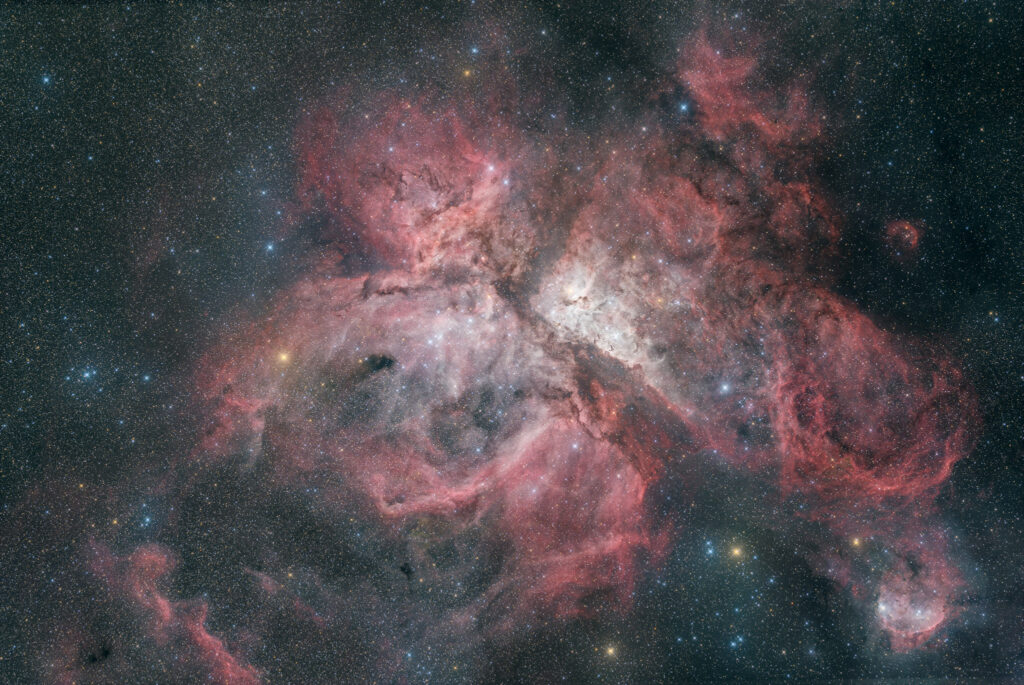
NCG 3372 – Carina Nebula – OSC v1

Since April 2026 the IAS 10″ remote telescope “Lukas” features a piggybacked Epsilon-130 with an ASI2600MC one-shot-color camera, with a way wider field of view than the main telescope. Ideal for comets und overview images.

The first test target was – of course, under southern skies – the vast expanse of the Carina Nebula, just a bit more than two hours of exposure time.

Many thanks to Thomas Klemmer for providing the scope and the camera.

More details at Astrobin.

Continue reading
Close-up of CG 20 and CG 21

20-inch keller-cassegrain, NA, astrofotografie, astronomie, astronomy, astrophotography, cg20, cometary globule, dark nebula, hakos, hakos guest farm, ias, ias observatory, ias observatory hakos, khomas, musca, namibia, world
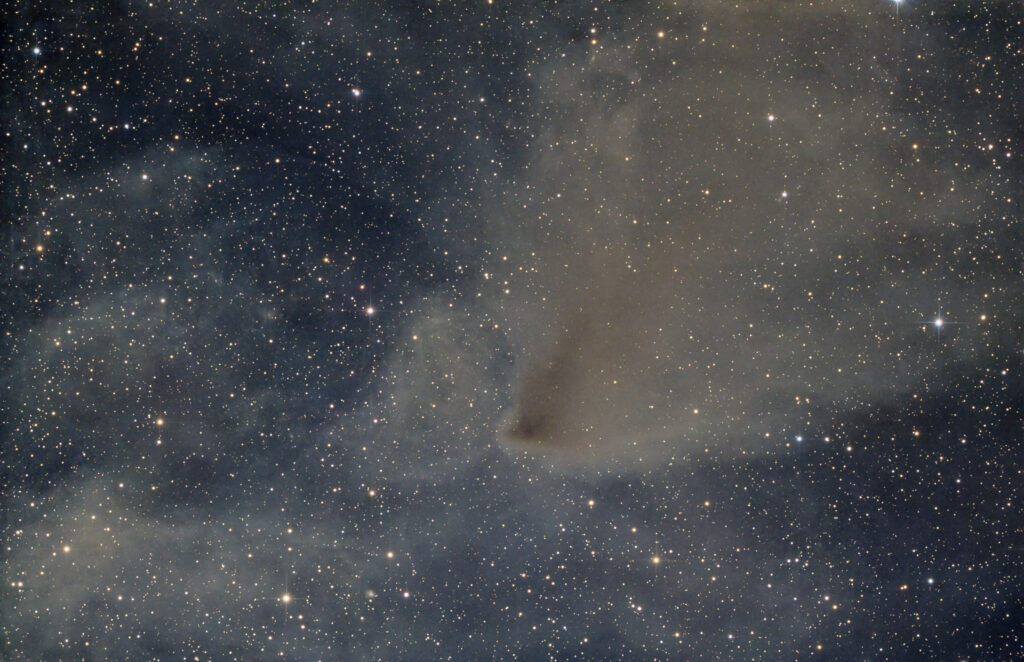
CG 20 – Cometary Globule in Musca – OSC v1
20-inch keller-cassegrain, NA, astrofotografie, astronomie, astronomy, astrophotography, cg21, cometary globule, dark nebula, hakos, hakos guest farm, ias, ias observatory, ias observatory hakos, khomas, musca, namibia, world
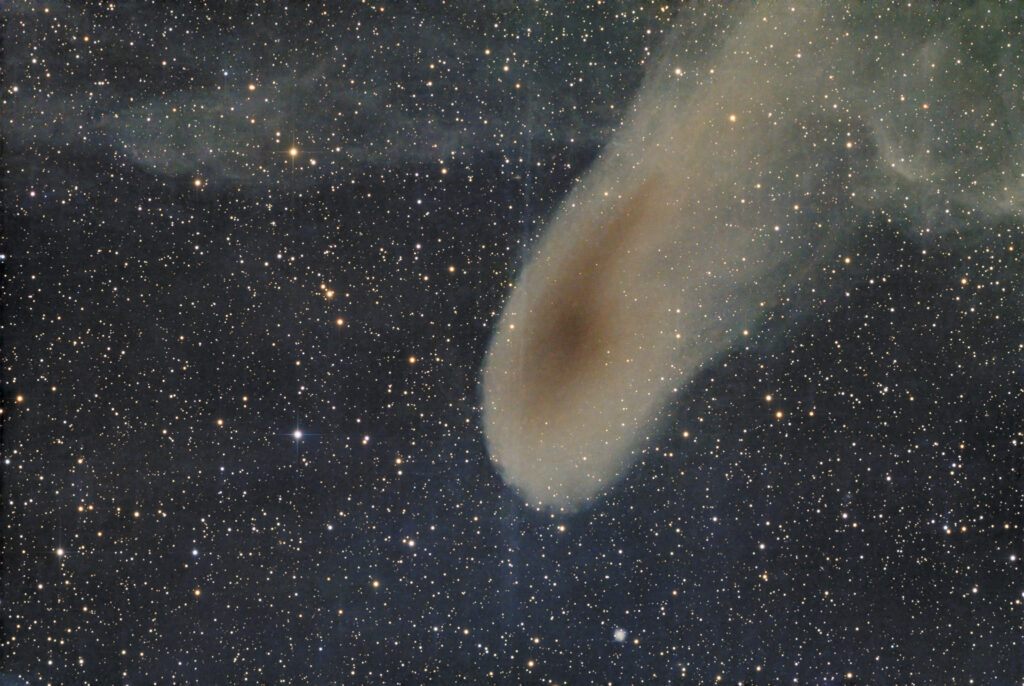
CG 21 – Cometary Globule in Musca – OSC v1

More close-ups with the longer focal length of the Cassegrain (4500 mm) at the IAS Hakos Observatory, Namibia, portraying cometary globules CG 20 and 21.

And of course adding to my growing catalog of cometary globules.

More details at Astrobin: CG 20, CG 21

Continue reading

Forschungsbohrung – Umbau, Ankerrohr, BOP

DE, DE-NW, K, NRW, cologne, dellbrück, deutschland, forschungsbohrung, germany, köln, nordrhein-westfalen, northrhine-westfalia, stadtbezirk 9 - mülheim, thurner kamp, world
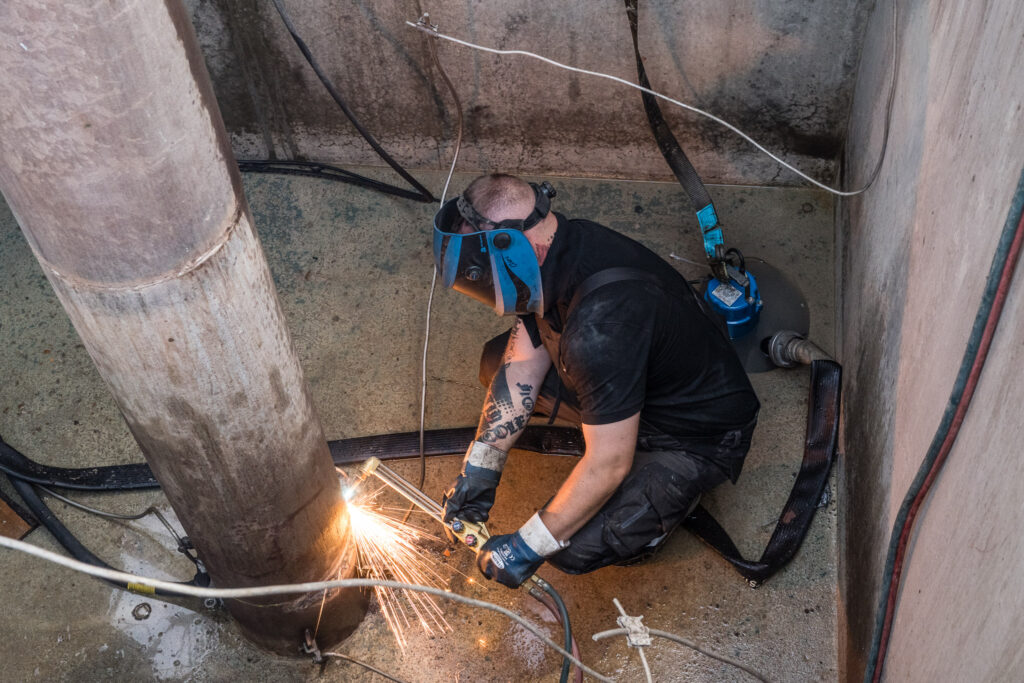
Forschungsbohrung – Umbau, Ankerrohr, BOP

Weiter geht es mit dem Fotoprojekt im Juli, nach einer längeren Pause.

Mittlerweile wurde eine Tiefe von 178 m erreicht und ein größerer Umbau der Anlage stand an. Das Standrohr wurde im Bohrkeller abgeschnitten und das (hier schwarze) Ankerrohr instsalliert. Darauf kommen der (rote) Blowout-Preventer als wesentliche Sicherungsmaßnahme für Tiefbohrungen.

Die komplette Serie ist hier zu finden: Gallery > Photography > Köln > Forschungsbohrung Dellbrück

Alle Fotografien mit freundlicher Genehmigung durch den Geologischen Dienst NRW.

Continue reading