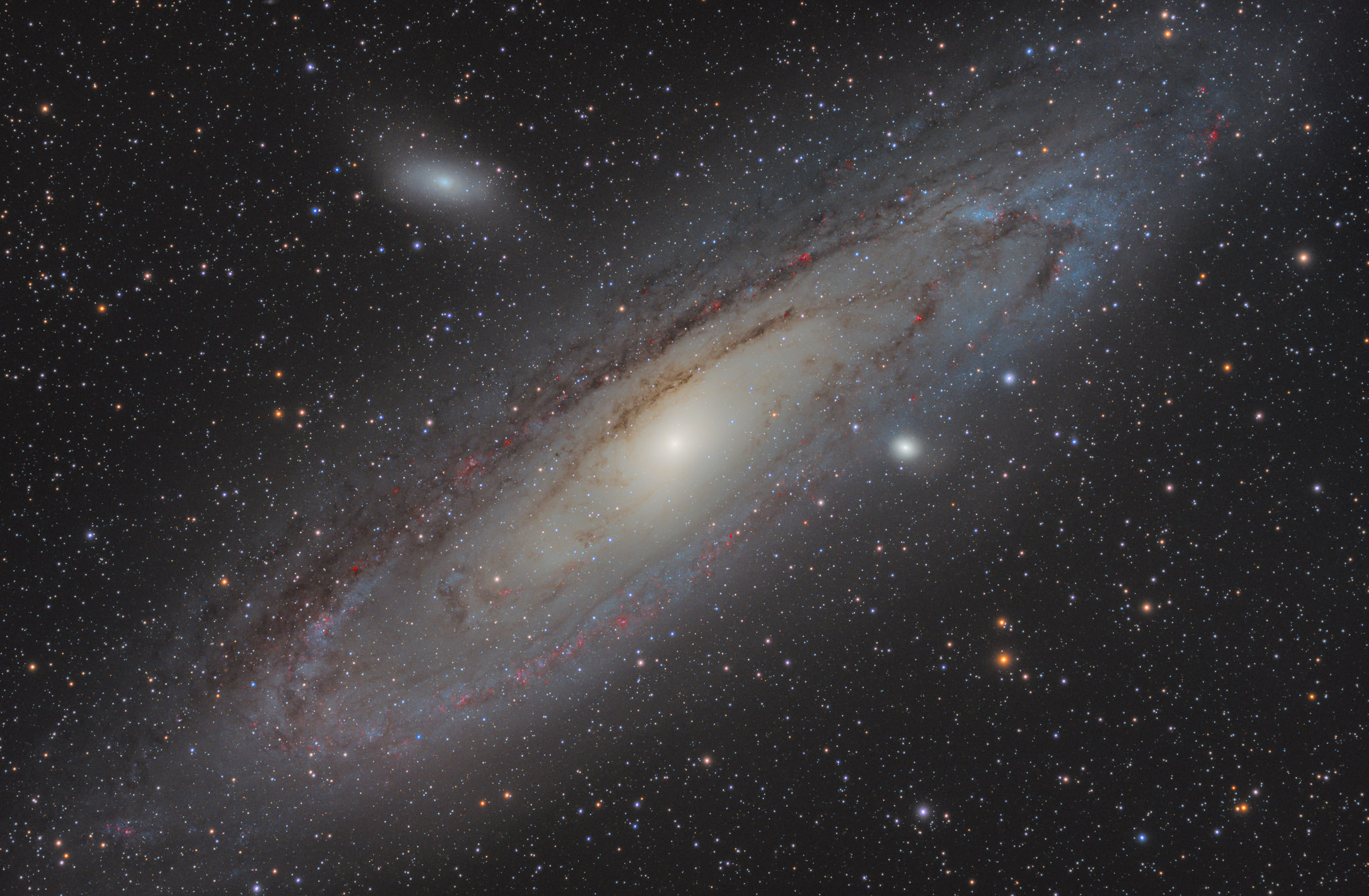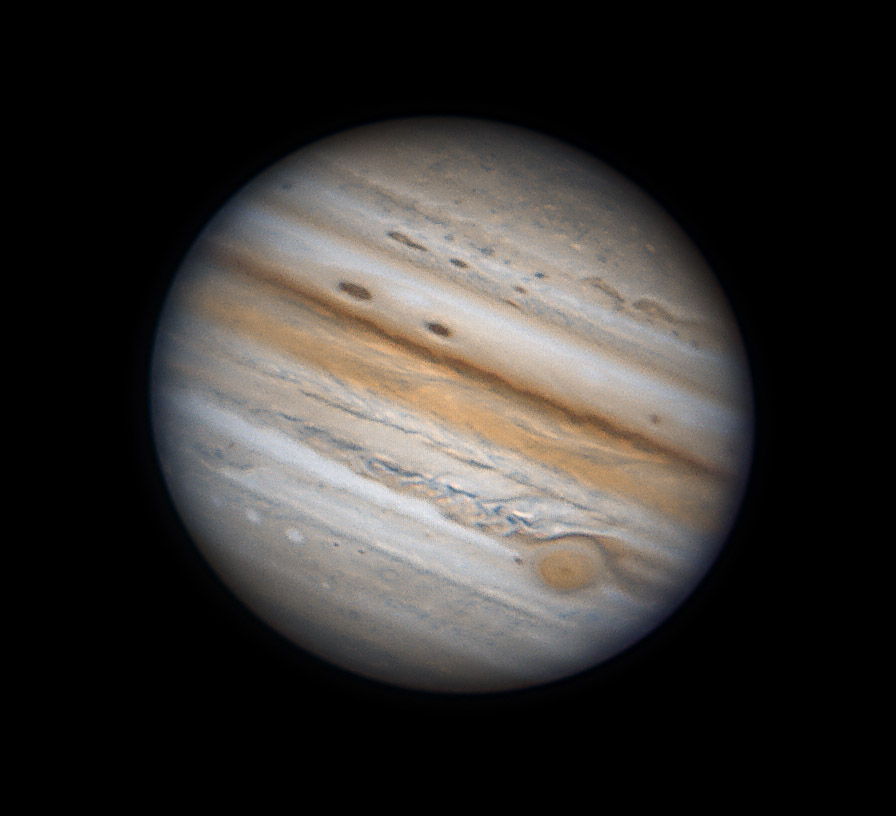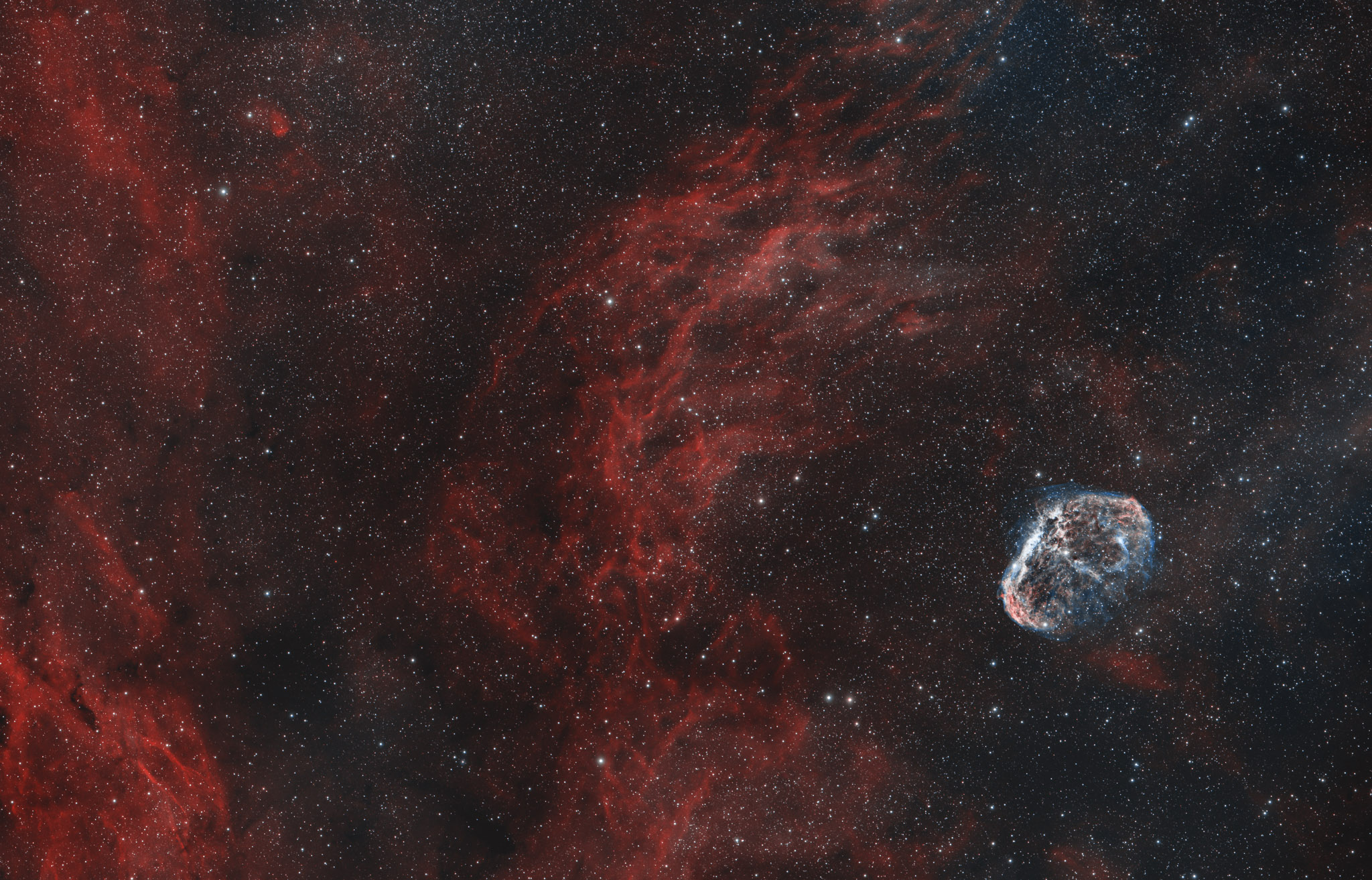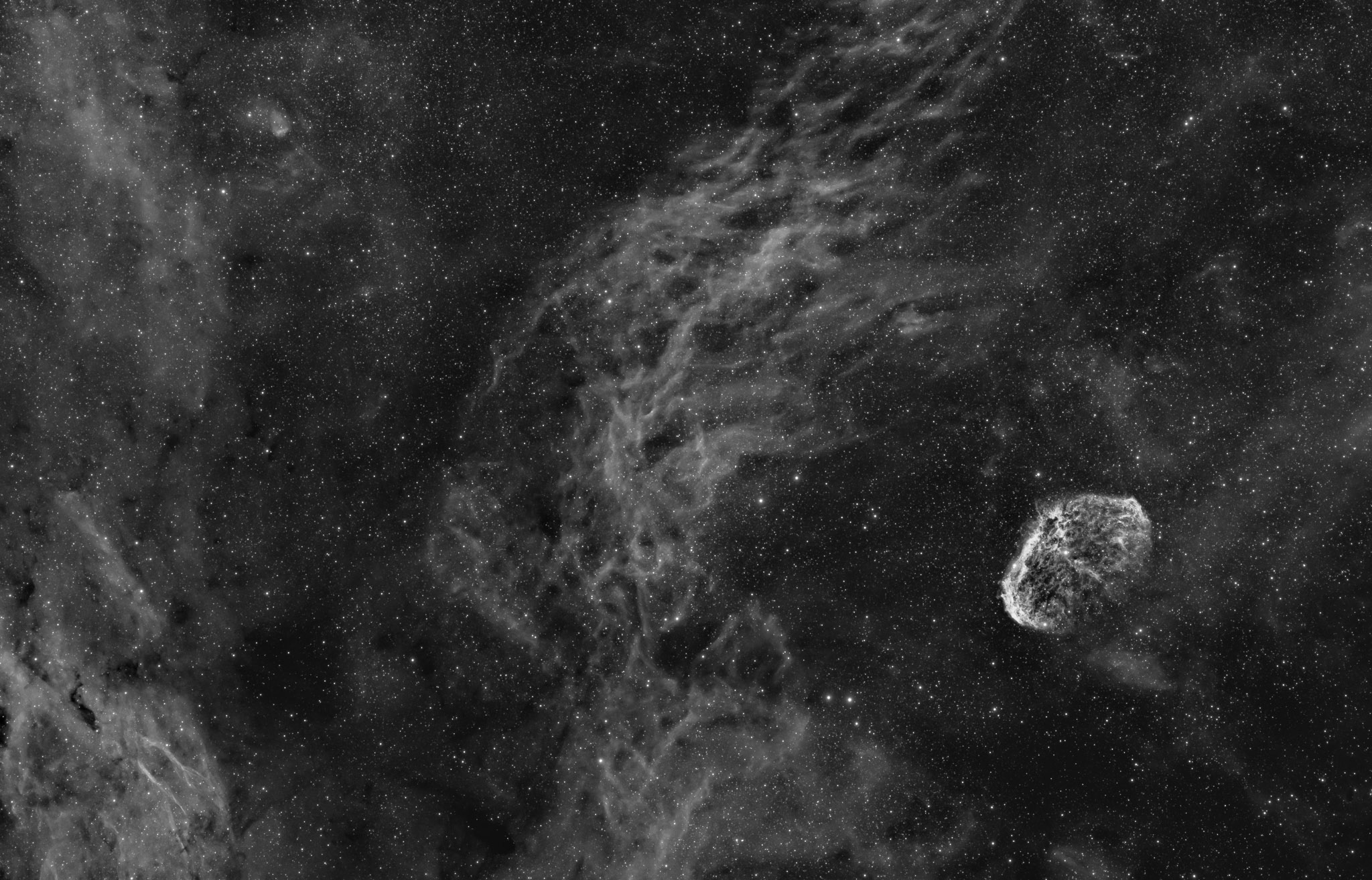
Dank Thomas Winterers freundlicher Genehmigung, seine Daten vom August auf der IAS Sternwarte Hakos, Namibia für eine eigene Bearbeitung zu nutzen, kann ich dann auch wieder den König der Planeten fast zur Opposition (20.08.2021) mit den bis jetzt besten Details hier im Blog präsentieren.
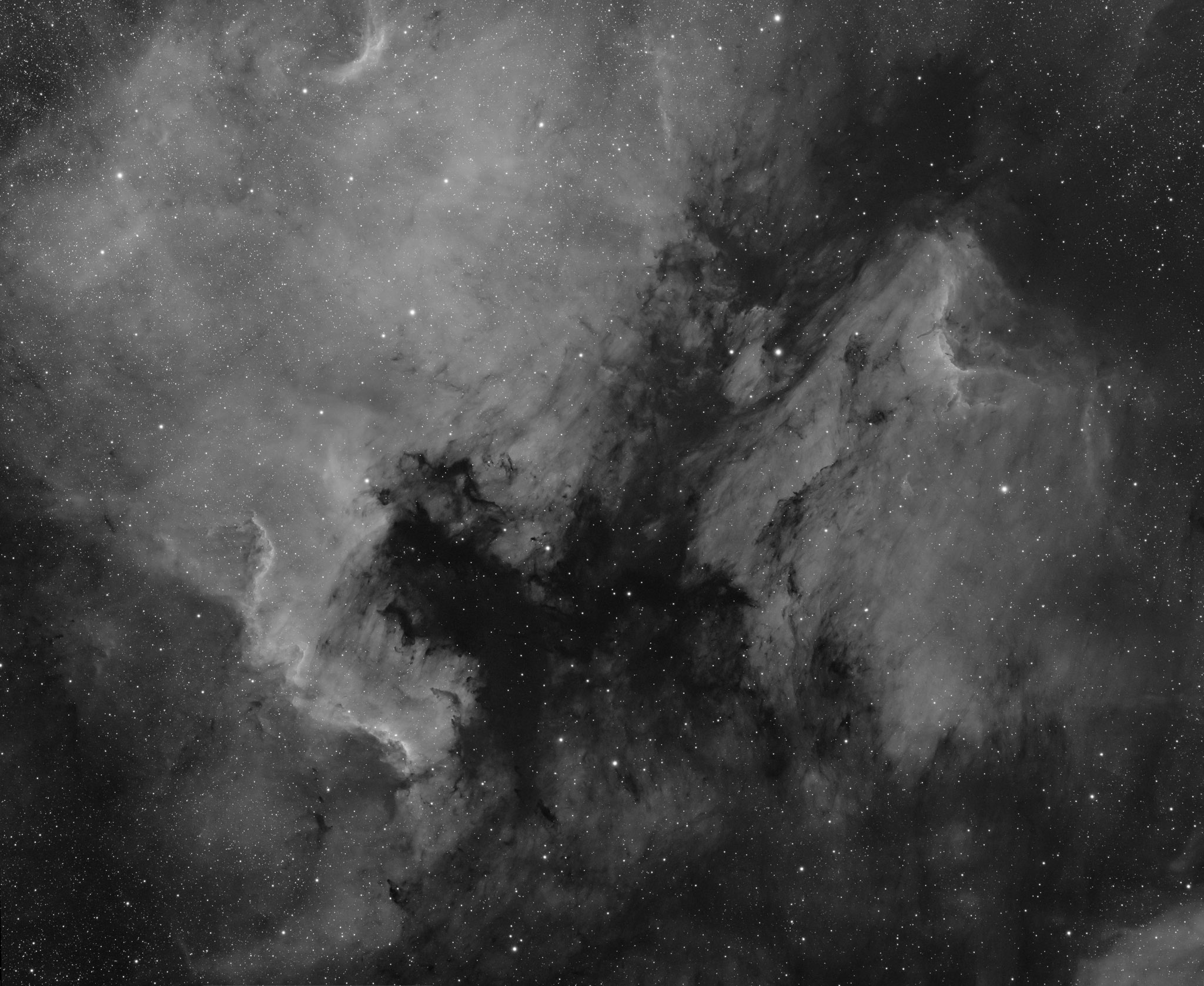
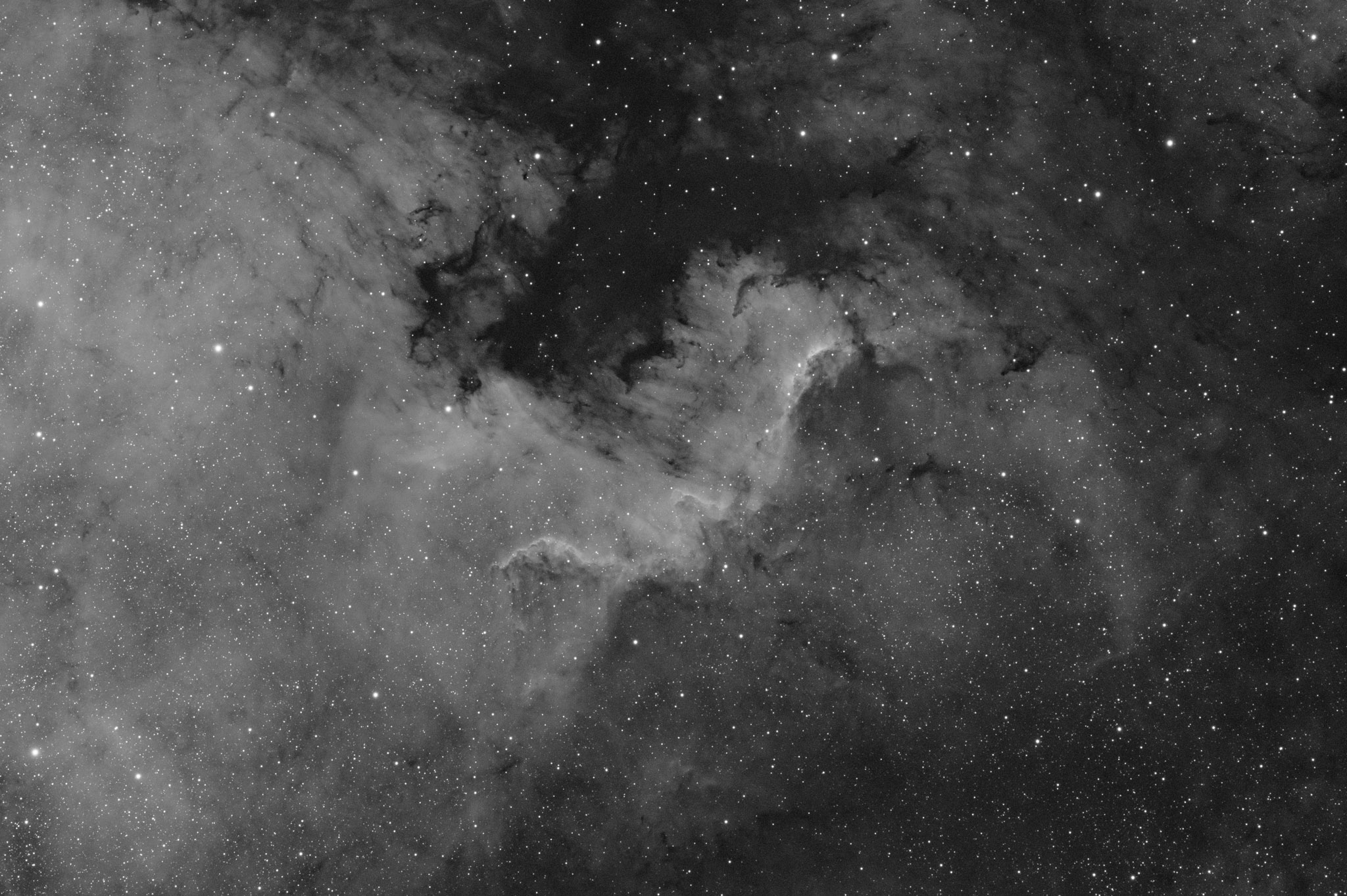
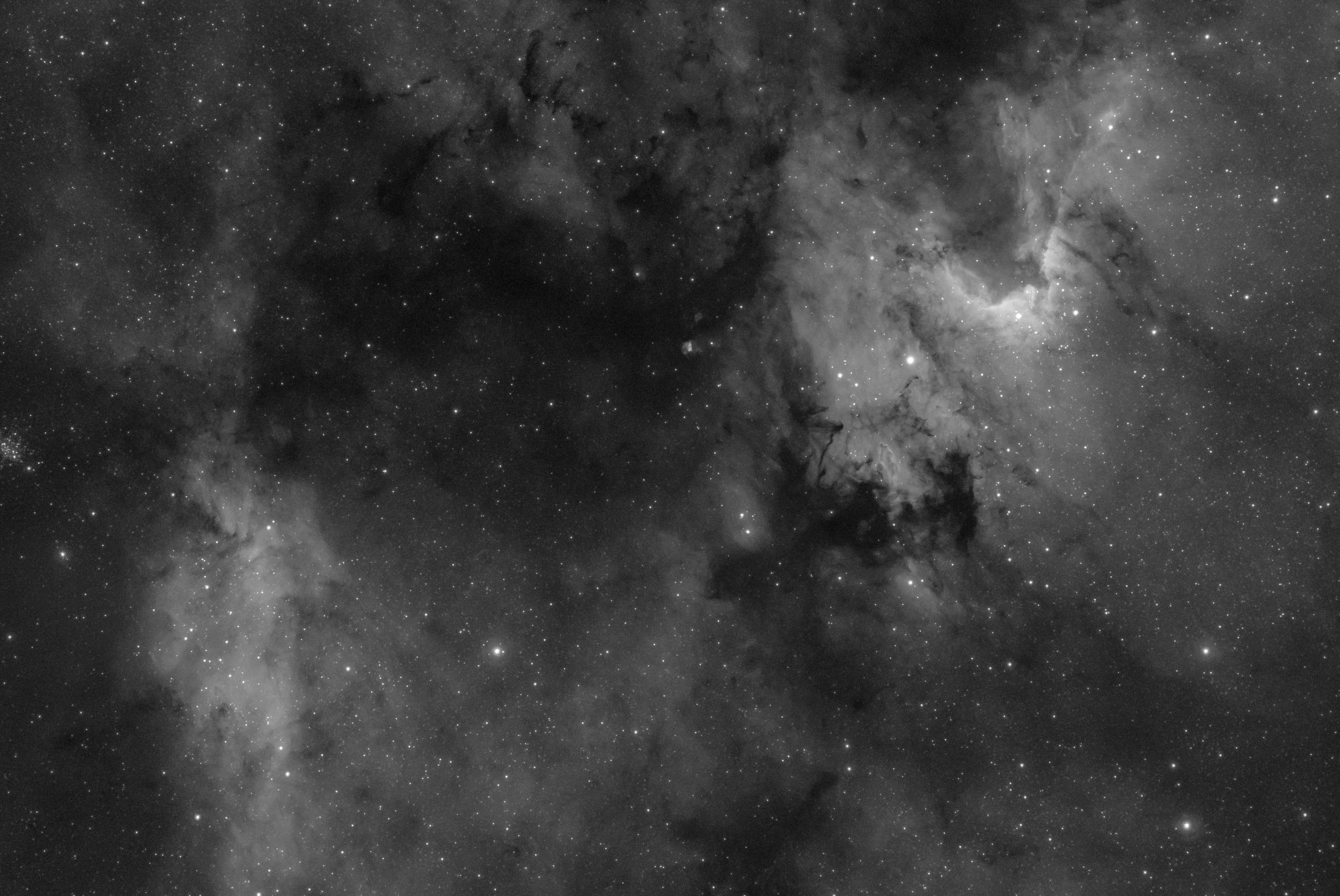
Still a work in progress, mastering the QHY268M with the Optolong LRGBSHO filter set. Seems like a setup with reserved filters is required for the Esprit 100 ED with the original flattener, in order to avoid strange reflections from bright stars such as Deneb or Sadr. Shooting a familiar target here.
The last one for this season, weather wasn’t that stellar for astrophotography in the last months, so too little exposure time and too much noise. To be continued in 2022 …
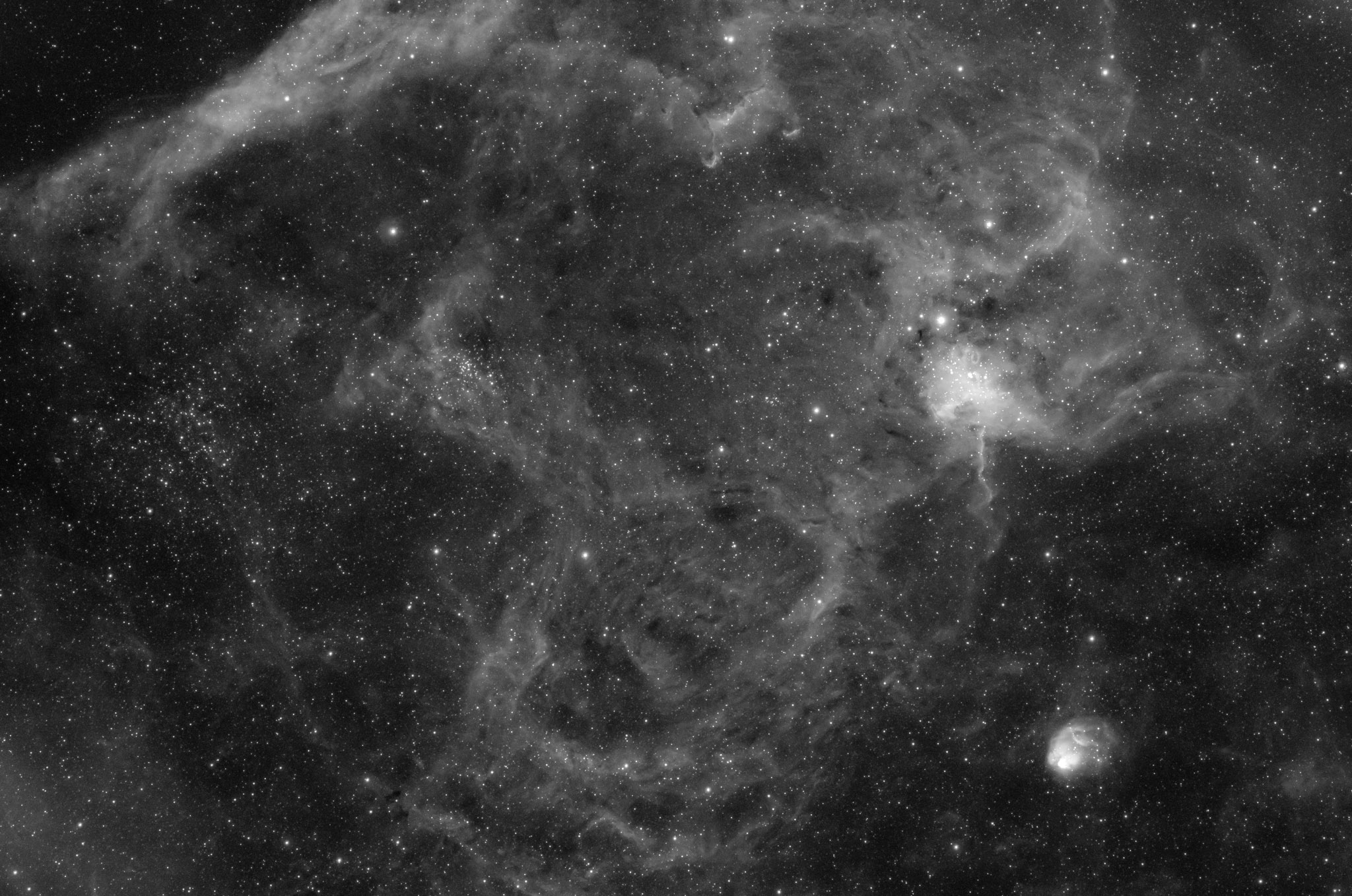
Again, two months to gather enough photons for this image. The bulk of the exposures were taken during a spell of five clear, cold nights in Feb 2021, though. The emission nebula IC 410 also includes the open cluster NGC 1893.
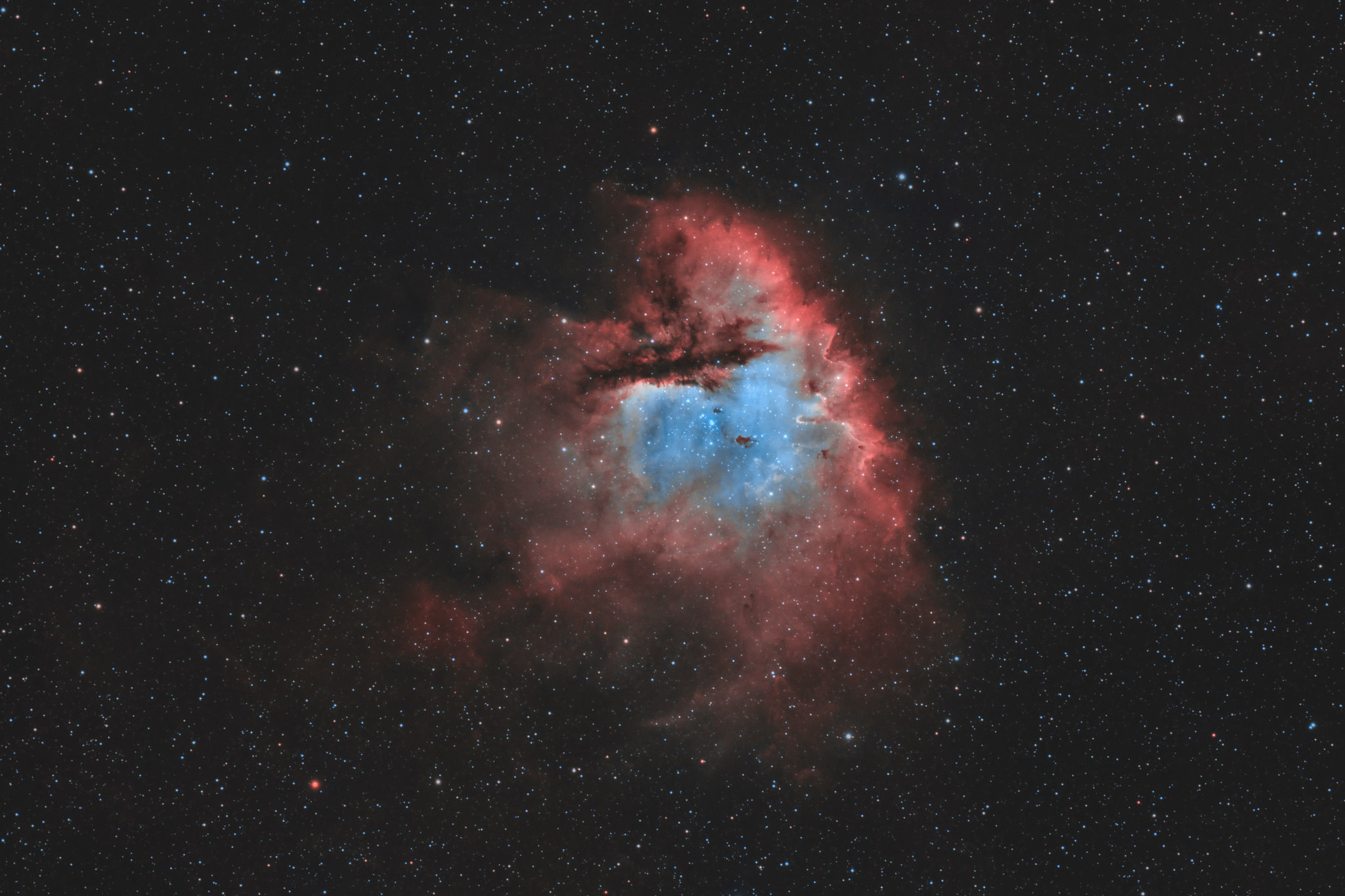
A new approach to the Pacman Nebula with the L-eNhance filter and bicolor processing. No so much for clear skies in the winter season here, took over two months to gather some meagre 10 hours of exposure time.
Zumindest ein paar Daten aus Namibia. ;-) Danke an Michael Mushardt für die Möglichkeit seine Aufnahmen aus dem Oktober 2020 zu bearbeiten.
At least some data from Namibia. ;-) Thanks to Michael Mushardt for making his data from October 2020 available for processing.
Internationale Amateursternwarte e.V. IAS Observatory Hakos, Namibia Celestron C14 14″ 3910mm f/11 on Kraska horseshoe mount ASI178MC with Televue Powermate 2,5x 10% out of 3804 frames Image acquisition by Michael Mushardt: FireCapture Image processing by Martin Junius: AutoStakkert! 3, PixInsight, Lightroom