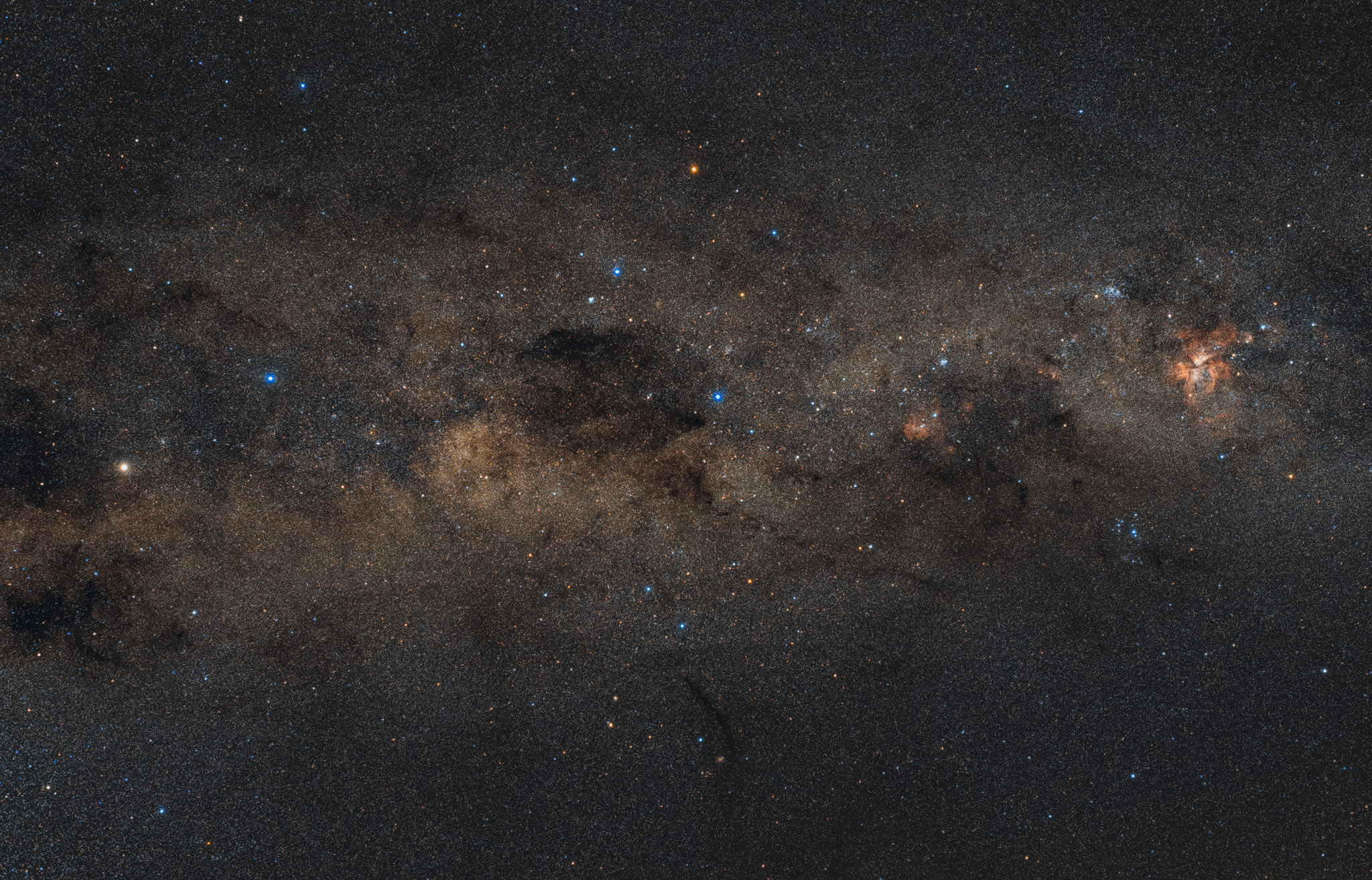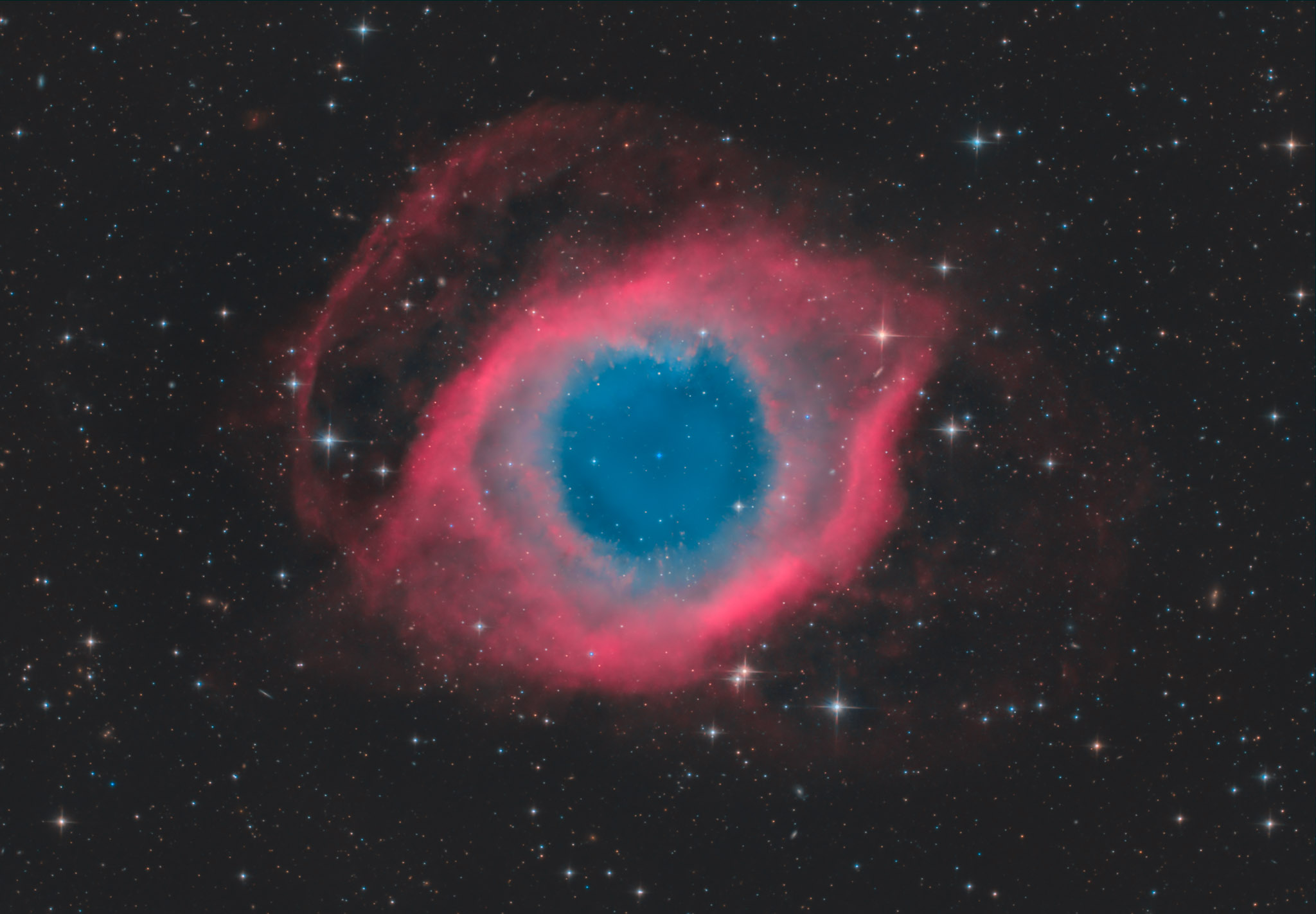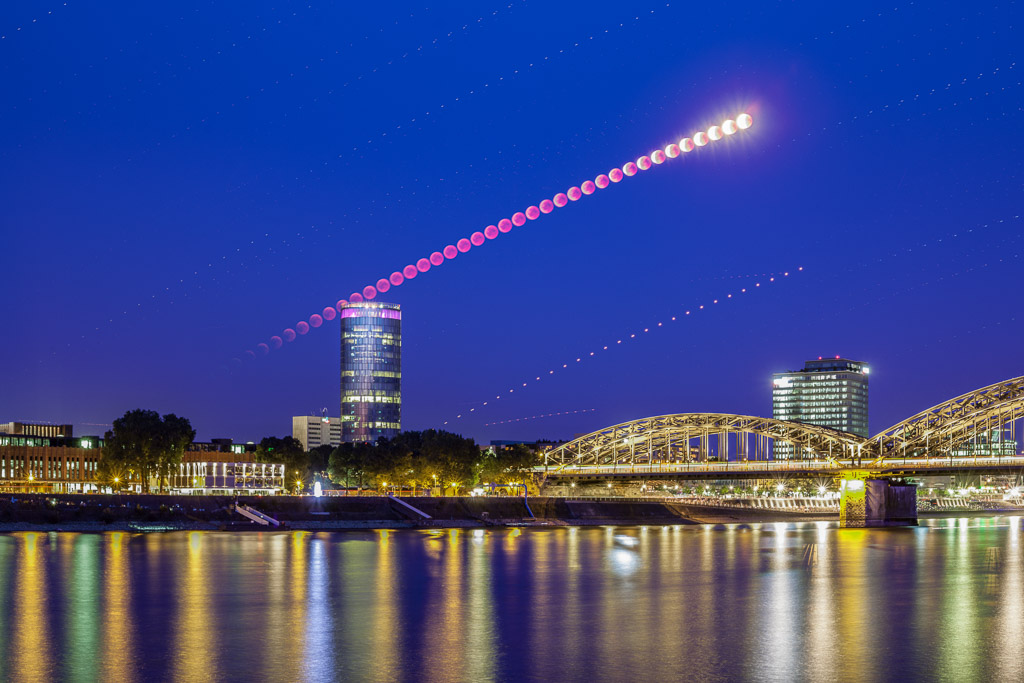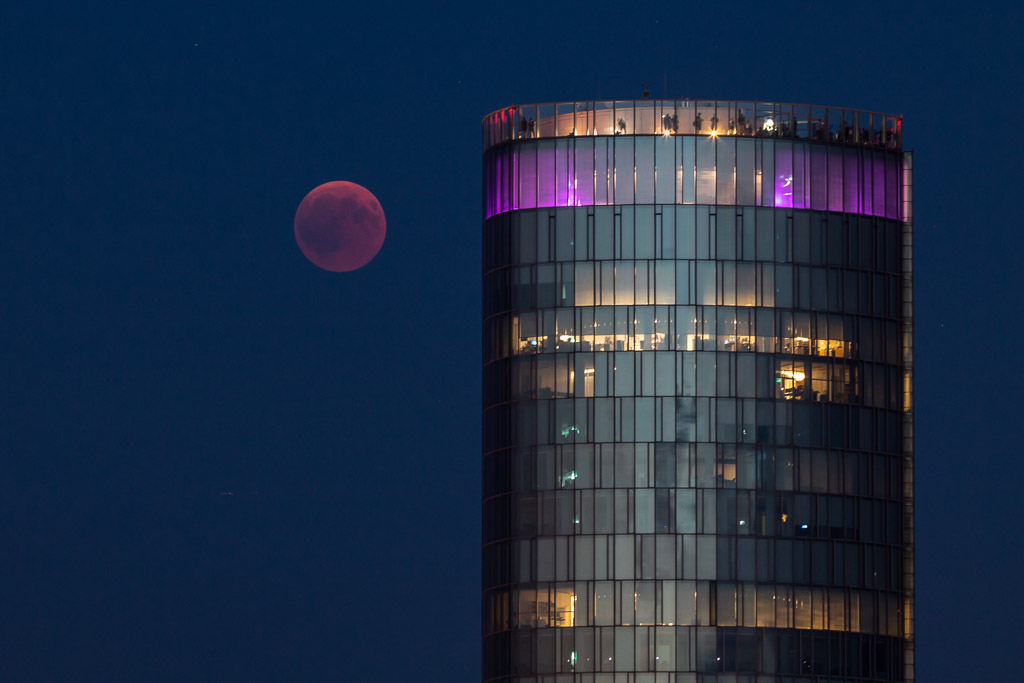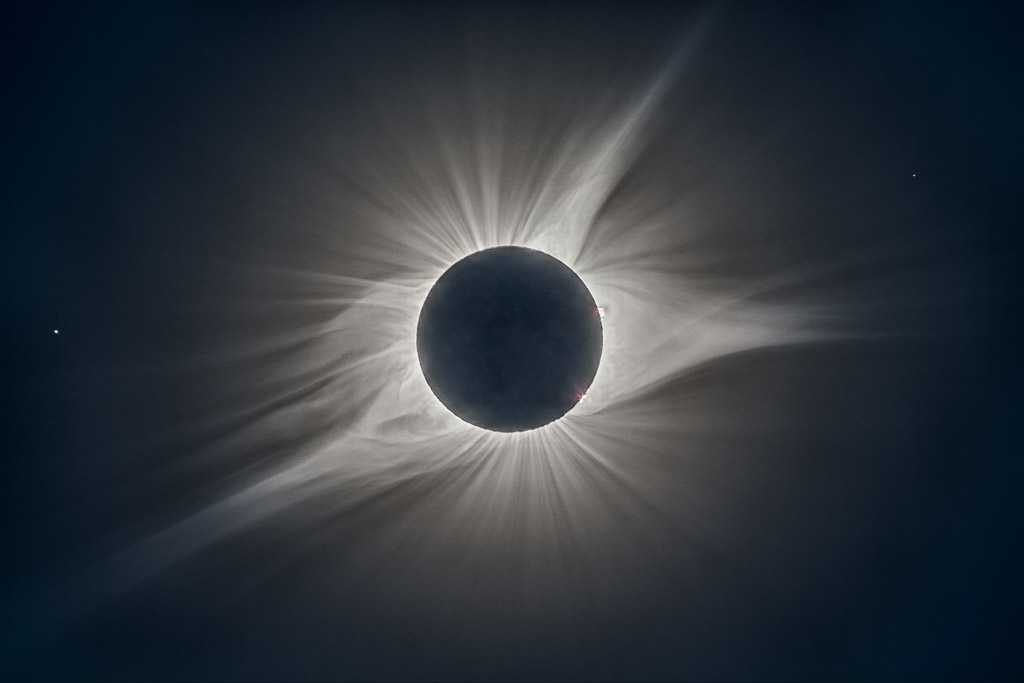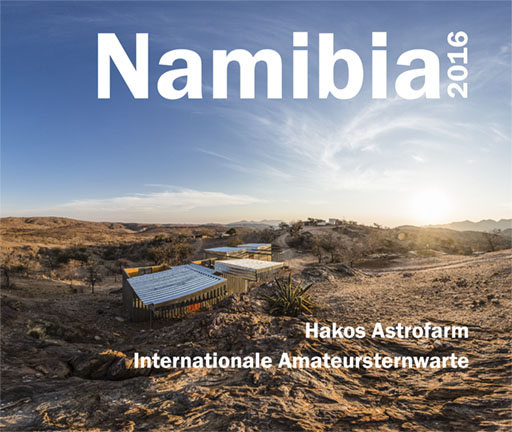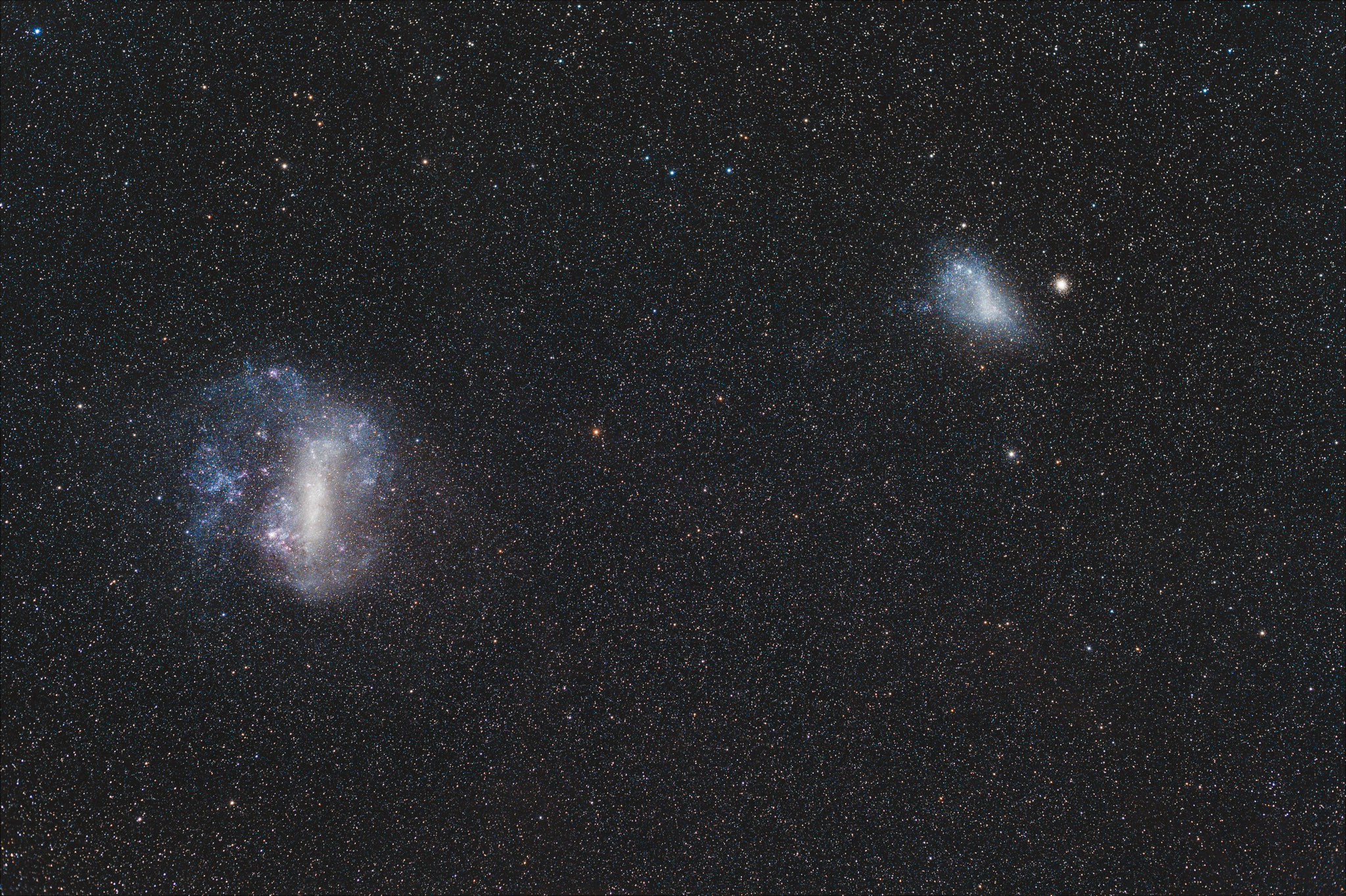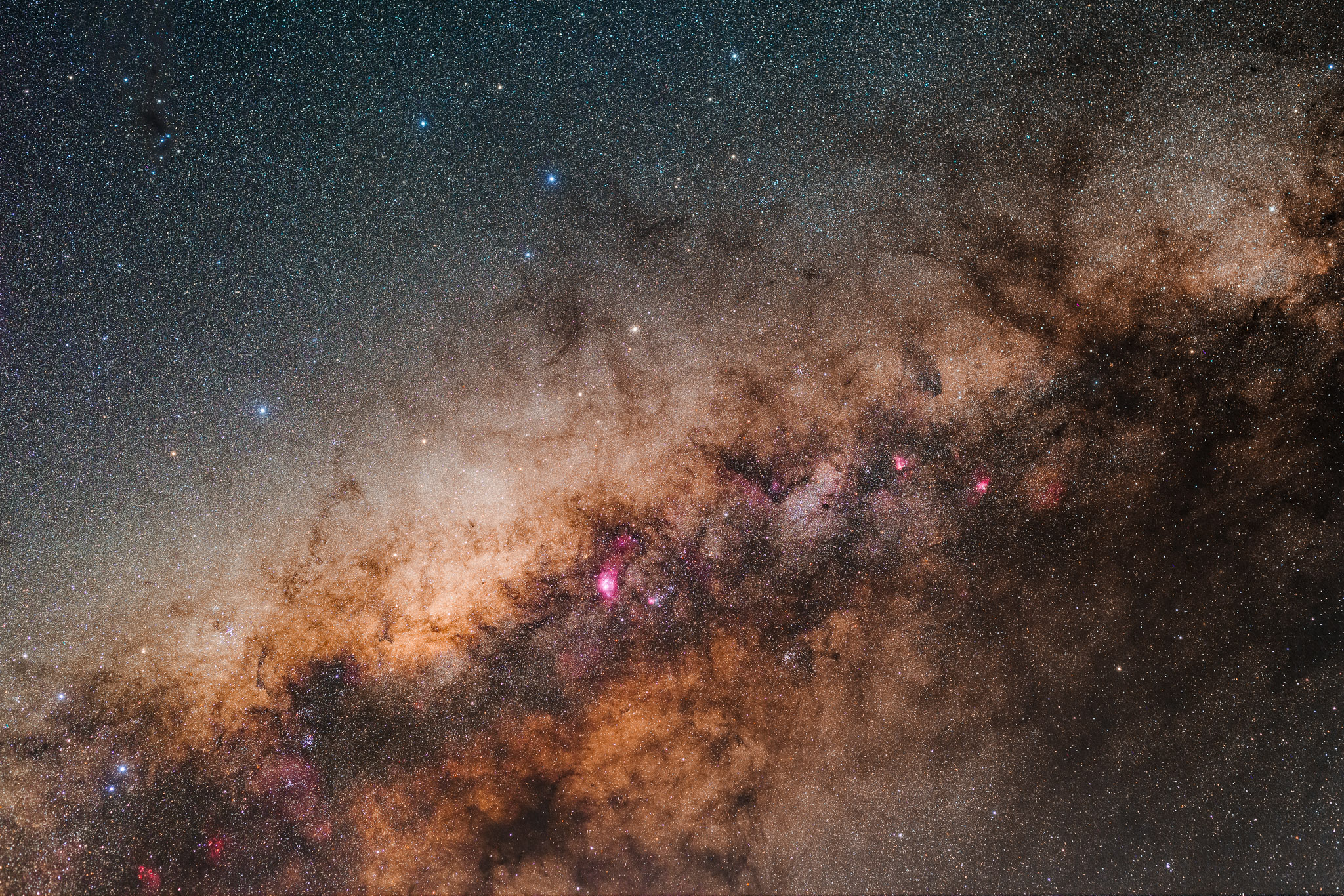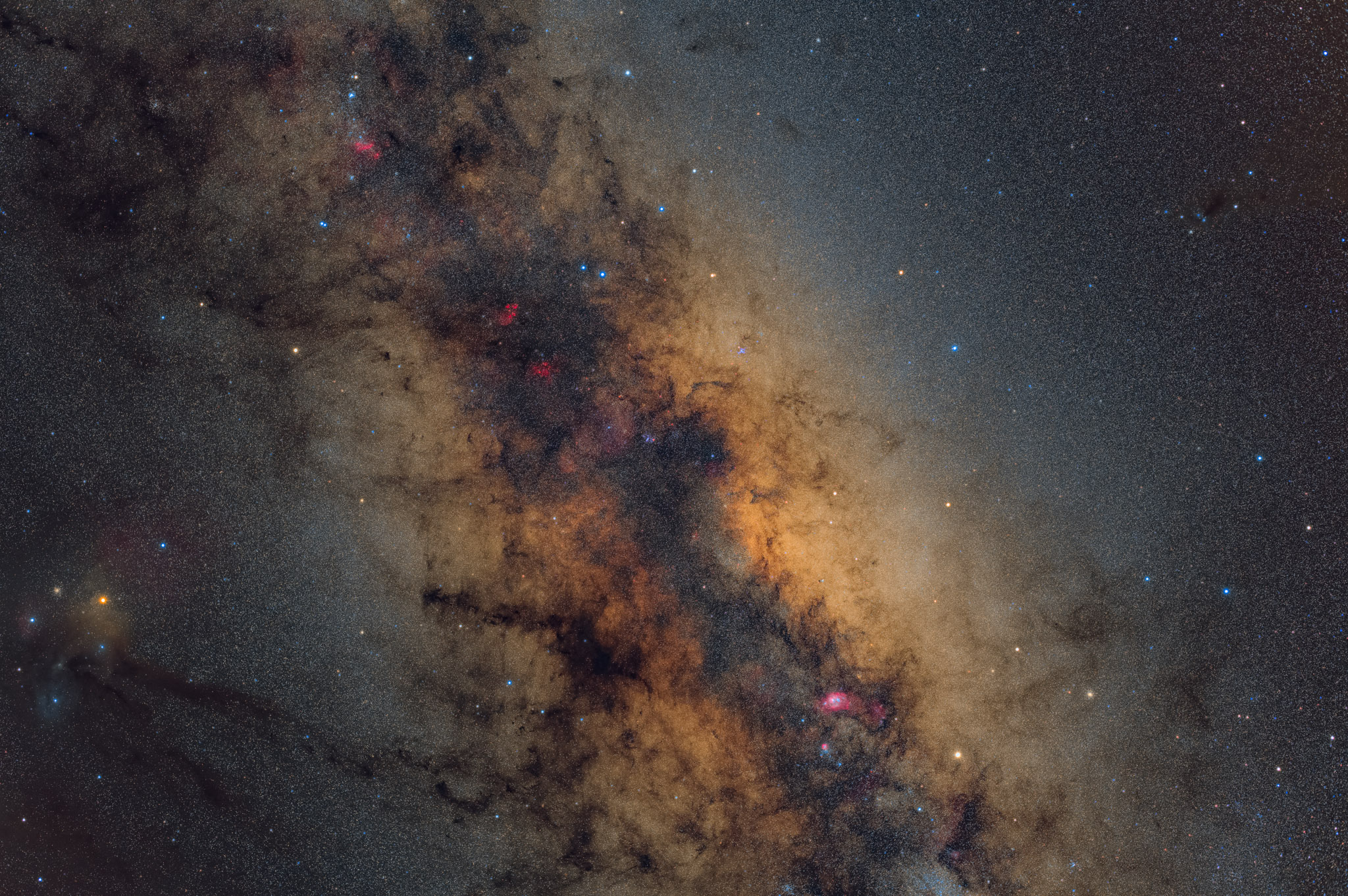
Ein neues Fotobuch “Namibia 2016” mit den Bildern von August/September in Namibia, Hakos Astrofarm und IAS, ist fertig.
Category Archives: Astronomy
Partial Solar Eclipse 01 Sep 2016 Namibia
Partial Solar Eclipse 01 Sep 2016 Namibia from Martin Junius on Vimeo.
Time-lapse video of the partial solar eclipse on Hakos, Namibia (annular in Central Africa, Madagascar, La Réunion).
Zeitraffer der partiellen Sonnenfinsternis auf Hakos, Namibia (ringförmig in Zentralafrika, Madagaskar, La Réunion).
Namibia Widefield 2016
All widefield images taken in Namibia this summer, the two milky way shots even made it as Image Of The Day on Astrobin!
All Übersichtsaufnahmen vom Sommer diesen Jahres in Namibia, die beiden Milchstraßenbilder haben es dabei sogar zum Bild des Tages auf Astrobin geschafft!
IAS Observatory, Hakos, Namibia
Canon 5D Mark II(a)
Canon EF 50/1.8 STM
Fornax-50 mount
Transit of Mercury
Transit of Mercury 09 May 2016 from Martin Junius on Vimeo.
Somewhat cloudy, especially towards the end, but most of the transit of Mercury was clearly visible from Brück, Cologne, Germany.
Einige Wolken, besonders zum Ende hin, aber der Großteil der Merkurtransits konnte in Brück, Köln beobachtet werden.
The time-lapse video is available on / das Zeitraffervideo gibt’s auf: Facebook, Vimeo, Youtube.
Equipment:
- Canon 5D Mark II, Televue Powermate 2x, William Optics FT 81 FD f/5.9 478mm, Baader filter, Skywatcher AZ EQ6 GT
- Canon 5D Mark III, EF 8-15 f/4 L Fisheye @ 14mm
- GoPro Hero4 Silver
- 2x ISR Twin1 timer
Location: near Friedhof Brück, Cologne, Germany
50°55’45” N 7°4’43” E
Blurb PDF Upload
FINALLY! ;-) It seems that I’ve solved my problems with Scribus PDF/X-3 photobooks failing the preflight check when uploading them to Blurb. The photobook above used to be rejected during excessive tests a couple weeks ago.
Deep Sky 2015 Video
Die Deep Sky 2015 Bilder gibt es jetzt auch als Video auf Vimeo, Youtube und Facebook.
The Deep Sky 2015 Images are now also available as a video on Vimeo, Youtube and Facebook.
Noch mal Guten Rutsch! Happy New Year!
Himmelshintergrund mit der Kamera messen
Manchmal lässt sich das “engineer by trade” nicht ganz leugnen und etwas Analytik ist gerade in der Astrofotografie nicht verkehrt.
Fragestellung: wie kann man anhand eines Fotos des Nachthimmels die Hintergrundhelligkeit ermitteln? Analog zu den Messwerten des Sky Quality Meters?
Samir Kharusi hat unter “Measuring Skyfog from Camera JPEG” die Methodik beschrieben, ich hab mir die Mühe gemacht, das mit Raw-Dateien, Lightroom und Excel zu operationalisieren.
Astrophotography IAS, Hakos 2015
IAS Observatory, Hakos, Namibia
20″ Philipp Keller Cassegrain primary focus @ 1500mm f/3
Liebscher Mount with FS2
Off axis guiding with Lodestar X2, dithering with BackyardEOS and PHD2
Canon 5D Mark II (a) or 5D Mark III (unmod), varying crop
Varying # of subs and exposure, see above, ISO 800 + sky flats/bias, no darks
Image processing DeepSkyStacker, Lightroom, Photoshop
Flight into Darkness
More than two years after our last one, we took the plunge and off into the darkness. Literally.
What I’m writing about is the total solar eclipse of 20 March 2015 over the Northern Atlantic Ocean, of course. A place and time where weather prospect weren’t exactly stellar or solar, thus quite early, already in 2013, we booked Eclipse Reisen’s e-flight (operated by Air Berlin, AB 1000) from Düsseldorf.
Into the car, onto the plane, into the darkness, back into the light and the Düsseldorfian fog, and home-bound again. 12 hours round-trip, certainly a very “efficient” eclipse trip. ;-)
The experience in the air was quite different from our previous ground-based eclipse excursions. A lot of the anxiety and anticipation – will we really see totality? – is missing, as success is almost guaranteed. And when the plane finally navigates into the “eclipse run”, the partial phase is mostly completed, we didn’t get to see C1 or C4.
But absolutely priceless is the view of the moon’s umbra moving across the clouds below, seemingly slowly catching up with the air plane, then plunging us into darkness, and finally off it goes, moving away from of us. Thus I’m very happy that I was able to catch this on video.
35,000 ft above the Northern Atlantic / Norwegian Sea with mid totality at 63°31’21.3″N 7°53’05.6″W / UTC 09:43:30. From the telephoto shots I did, the contact times and positions were as follows:
- C2 at UTC 09:41:35 / 63°20’18” N 8°13’23” W
- C3 at UTC 09:45:15 / 63°40’53” N 7°35’37” W
for a totality duration of 3min 40s.
Impressive, as it always has been and will be. Where’s the next one? …
Hakos Time-lapse
Hakos, Namibia 2014 Time-lapse from Martin Junius on Vimeo.
Time-lapse video from a short trip to the IAS Observatory (Internationale Amateur Sternwarte) at Hakos, Namibia in June 2014.
Natürlich darf auch ein Zeitraffervideo von der Internationalen Amateursternwarte IAS auf Hakos, Namibia nicht fehlen. Und so pittoresk die Wolken hier auch sind, in drei von acht Beobachtungsnächten waren sie dann doch störend. Insbesondere für Michael und Lutz, die eine Sternbedeckung durch den Asteroiden Chariklo bzw. dessen Ringen vermessen wollten.
Video erstellt mit Lightroom, Starstax, Avisynth, VIrtualdub, Handbrake. Schön, dass einige freie “Old School” Werkzeuge für die Videoverarbeitung da noch mal richtig nützlich sind.
Musik erstellt mit Ableton Live, Native Instruments Komplete und meinem Kawai ES-6 als Master-Keyboard. Das iPad musste beim Musikmachen mal außen vor bleiben. ;-)